


The Science of Scent: Aromatherapy & the Integumentary System – Part 5
Aromatherapy Techniques & Their Impact on the Human Body
Part 5: Aromatherapy & the Integumentary System
Our skin is much more than the outer layer of our body. As part of the integumentary system, it forms an important protective barrier while helping regulate temperature, detect sensations, and interact with the environment around us.
The integumentary system includes the skin, hair, nails, and various glands. Together, these structures provide one of the body’s first lines of defence against bacteria, viruses, physical damage, and environmental factors.
The Skin: Our Body’s Protective Barrier
The skin is the largest organ in the human body. It protects the tissues underneath while also helping us experience sensations such as touch, pressure, heat, and cold.
It also contributes to the production of vitamin D when exposed to sunlight. Vitamin D plays an important role in maintaining healthy bones and supporting normal functions within the body.
But the skin isn’t an impenetrable barrier. Certain substances can pass through it, and this is particularly relevant when we explore topical aromatherapy.
Essential Oils & Skin Absorption
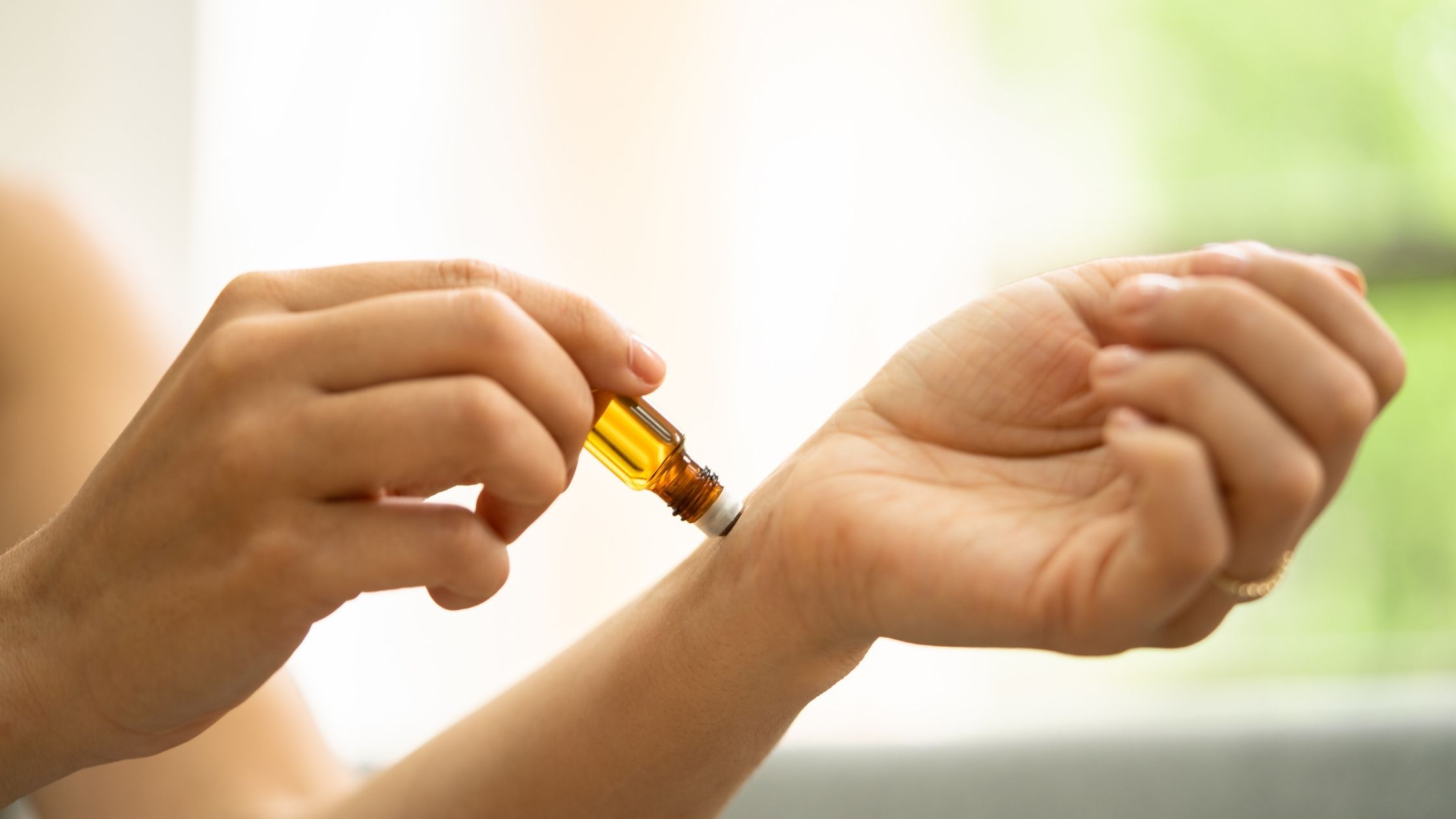
When essential oils are applied to the skin, some of their individual components can be absorbed through the skin. However, different areas of the body have different levels of permeability.
The skin on areas such as the face, scalp, and underarms tends to be thinner and more permeable than the thicker skin found on the palms of the hands and soles of the feet.
This means that where an essential oil is applied can influence how readily its components are absorbed.
Understanding this is an important part of aromatherapy. Choosing an application area isn’t simply about convenience; it is about considering the skin and using an appropriate method of application.
The Role of Carrier Oils
Essential oils are highly concentrated and are generally diluted with a carrier oil before being applied to the skin.
Carrier oils help distribute the essential oil across the skin while reducing its concentration. This makes topical application gentler and helps reduce the risk of skin irritation.
Dilution is therefore an important part of responsible essential oil use. When it comes to aromatherapy, using more oil doesn’t necessarily mean greater benefits. The appropriate concentration and method of application matter.
What Happens After Absorption?
Once certain components of an essential oil have been absorbed through the skin, they may enter circulation and interact with the body.
Different essential oils contain different chemical constituents, which means their effects can vary. Some are traditionally used to promote relaxation and calmness, while others are associated with feelings of energy, alertness, or emotional wellbeing.
Essential oils are also commonly incorporated into massage. The combination of massage and diluted essential oils can create a soothing experience and may help promote relaxation or ease the sensation of tired and tense muscles.
These effects are generally subtle and can vary from one person to another. Aromatherapy is best viewed as a complementary wellness practice and should not replace medical treatment or prescribed therapies.
Aromatherapy & Skin Wellness
The integumentary system provides an important connection between our bodies and topical aromatherapy. Understanding how the skin works allows us to make more informed choices about essential oil application.
Proper dilution, suitable application methods, and awareness of individual skin sensitivity are all important when incorporating essential oils into a wellness routine.
Our skin protects us, helps us interact with the world, regulates important functions, and provides a pathway through which topical aromatherapy can be experienced.
As we continue exploring The Science of Scent, understanding the integumentary system gives us another fascinating insight into how essential oils and the human body can interact — reminding us that safe, informed use is at the heart of enjoying aromatherapy.
Source Credit
Adapted and inspired by content from Lamai Terapias Orientais by Alysson Correia.